2026 Featured Families

The Schwartz Family

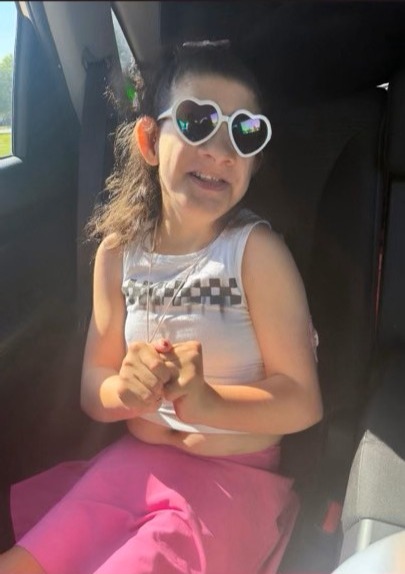
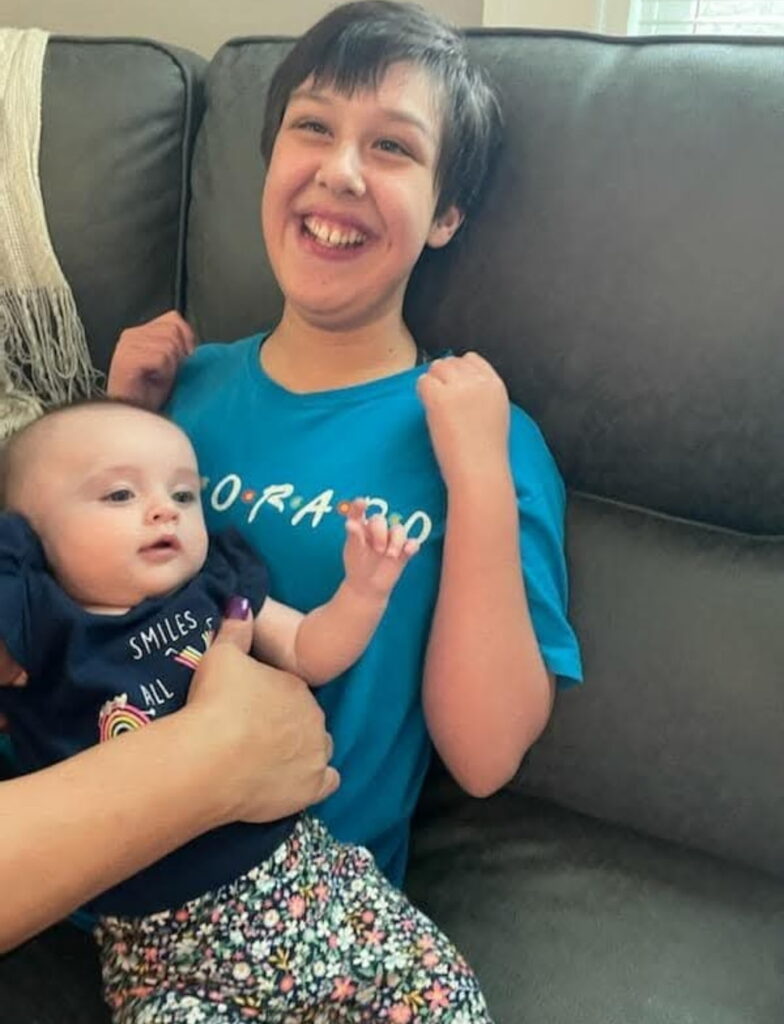
Nasyah (pronounced Nuh-sigh-uh)—her name means “miracle” in Hebrew, and she truly lives up to it—was born with a rare genetic disorder called Partial Trisomy 9. She is one of only about 200 people in the United States with this condition. Most Trisomy 9 pregnancies do not make it to childbirth, and only a very small percentage (0.1%) result in a live birth, often with a poor prognosis.

Today, Nasyah is 18 years old and a senior in high school—a milestone we were once told she might never reach. Her life has been filled with challenges. She has undergone multiple surgeries and faced more frightening moments than any child should have to endure. In March 2024, Nasyah experienced a stroke, endocarditis (a serious heart infection), and the sudden onset of diabetes—all at the same time. Despite everything, she fought through it and is still with us today.

Nasyah has been wheelchair-bound since birth, but after her stroke, she had to relearn how to use the left side of her body, including her arm, just to push her chair. Through determination and hard work, she is once again getting around independently and is doing incredibly well.

Vanessa, Nasyah’s mother and primary caregiver, has done everything possible to keep her safe and supported. Over time, the physical demands of lifting and caring for Nasyah took a toll on her body, and she developed two umbilical hernias that required surgery. The first surgery was unsuccessful and immediately reherniated, requiring a second operation. While the repair has held, she is still unable to lift Nasyah on her own.

Vanessa is a single mother navigating all of this on her own. Between surgeries and recovery, she was unable to work from late May through mid-November. She has since returned to work and is working to recover financially. She currently pays for respite care out of pocket when possible, but she needs a safe and reliable way to transport Nasyah independently. As Nasyah grows, it is no longer physically possible to manage without proper equipment. 

Nasyah Schwartz smiling in a car seat, wearing white heart-shaped sunglasses and a white top with pink pants.

The Lukemire-Penquite Family

On April 2, 2025, Forrest was taken to the emergency department after being under the weather for about a week. He was having difficulty walking normally, and we noticed unequal pupil dilation. A CT scan revealed a mass in the right side of his brain, and he was immediately transferred to Children’s Hospital Colorado in Aurora for further care.

On April 8, 2025, Forrest underwent a craniectomy on the right side of his head to remove the largest tumor. Shortly after, he was diagnosed with Stage 3 choroid plexus carcinoma, along with TP53 Li-Fraumeni syndrome. Once his external ventricular drains (EVDs) were removed and the neurosurgical team cleared him, the neuro-oncology team quickly began chemotherapy to target additional tumors in his brain and spine.

Forrest underwent chemotherapy from late April through late July. Unfortunately, the treatment had only a limited effect on the tumors, and doctors were uncertain whether he was strong enough to undergo a bone marrow transplant at that time. Ultimately, they shared that a cure might not be possible.

From August through January 2026, Forrest began immunotherapy in hopes of managing the disease and slowing its progression. This continued until his most recent MRI showed slight progression. For now, treatment has been paused as his medical team evaluates next steps, with limited options available.

Forrest is still a very happy, sweet 4 year old.  He gets physical therapy three times a week to relearn to walk again and absolutely loves anything to do with cars (mostly his hot wheels). 

Despite everything, Forrest remains a very happy, sweet four-year-old. He attends physical therapy three times a week to relearn how to walk and absolutely loves anything to do with cars—especially his Hot Wheels.

Due to Forrest’s diagnosis of Li-Fraumeni syndrome, Kristin and her husband Kyle were referred for genetic counseling. Testing revealed that Kyle also carries the syndrome. Tragically, this diagnosis came just one day after a mass was discovered in Kyle’s lower left abdomen/groin area. On October 2, 2025, he was also diagnosed with deep vein thrombosis (DVT) in his left leg. Following a biopsy, Kyle was diagnosed with myxoid pleomorphic liposarcoma. He is currently undergoing his fifth round of chemotherapy, and doctors are hopeful the tumor will shrink enough to allow for surgical removal.

Forrest’s grandmother (Kyle’s mother) is also battling cancer. She has breast cancer that has metastasized to her liver and spine and is currently receiving maintenance chemotherapy. Her doctors have shared that her prognosis may be limited to a few more years.

The Hickey Family

Christopher and Tara met in Fort Collins while working at Jax Fish House, and both are graduates of Colorado State University. They were married in 2021, and their daughter, Charlotte, was born on October 6, 2023.

At first, everything with Charlotte seemed fairly normal. After a Memorial Day camping trip, however, Christopher and Tara began to notice something felt “off,” particularly with her arms. Initially, doctors reassured them that she was fine and likely experiencing normal developmental changes like a growth spurt or teething. But when Charlotte stopped reaching for toys and could no longer sit up or roll over as she previously had, they continued to push for answers.

They were eventually referred to a neurologist at Children’s Hospital, and what was expected to be an appointment turned into a week-long hospital stay. Doctors ran extensive testing and began to narrow in on a genetic diagnosis. On July 15, 2024, Charlotte was diagnosed with Krabbe disease.

Krabbe is a terminal condition that affects the central nervous system. The myelin sheath that protects Charlotte’s nerves is breaking down, and her body lacks the enzyme needed to regulate this process, leading to progressive neurodegeneration. Christopher and Tara explored every option, including applying for a gene therapy clinical trial at Duke University, but Charlotte was not eligible due to her age and symptoms. They were given a prognosis of 13 months to two years and were told to take her home and make her comfortable. Charlotte was just nine months old.

At that point, Tara left her job at The Armstrong Hotel, and they withdrew Charlotte from daycare. They focused on creating as many meaningful moments as possible as a family—taking her swimming, visiting the Monterey Bay Aquarium, camping in Steamboat, and even having strawberry ice cream for dinner. Since then, Charlotte has slept in their bed every night.

Christopher, who had been working from home, took a leave from work last April. During that time, his company was acquired, and he lost his position. The family made difficult financial decisions, including selling Tara’s vehicle, though Christopher has since secured new employment.

More importantly, during this time Charlotte has continued to lose developmental milestones. She now has a feeding tube, requires oxygen, and is on a BiPAP machine full-time. In December 2024, Charlotte was placed on hospice care.

Through it all, Christopher and Tara have learned not to take a single day for granted.
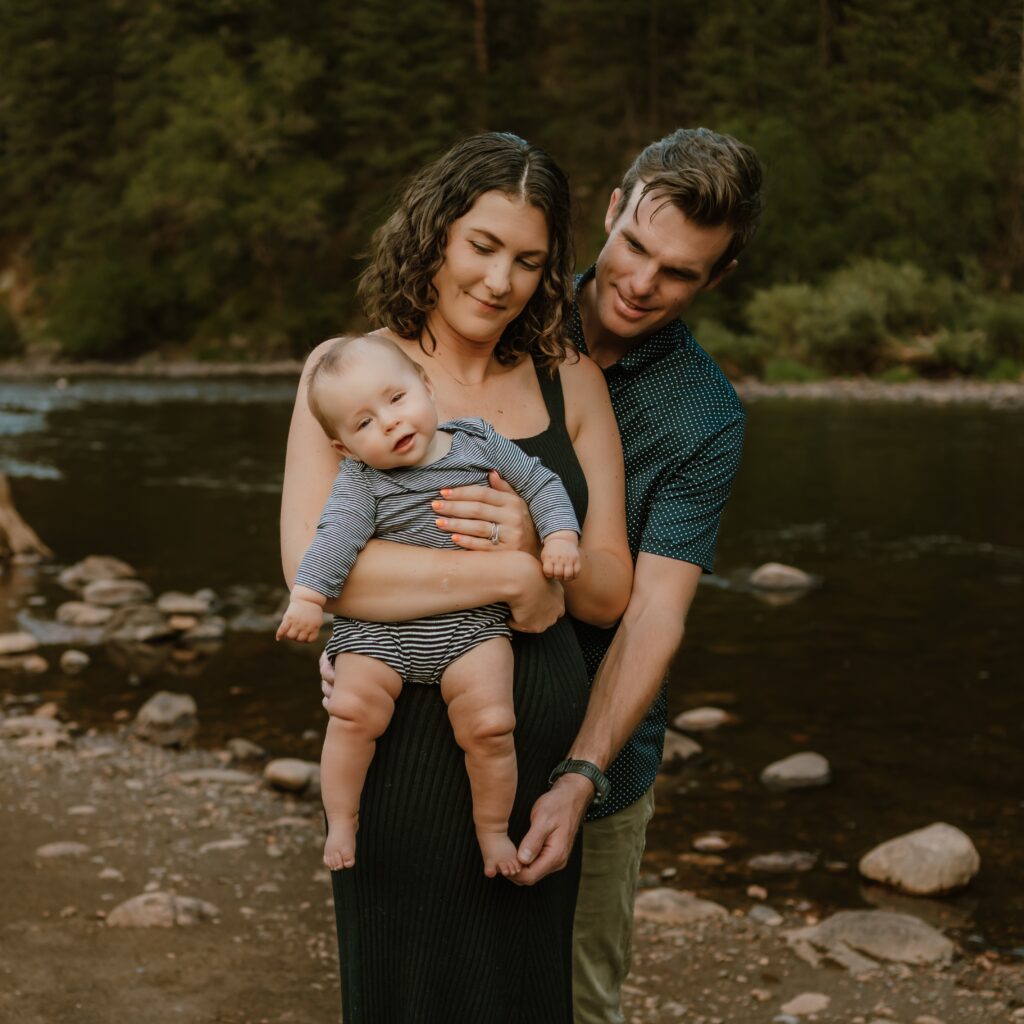
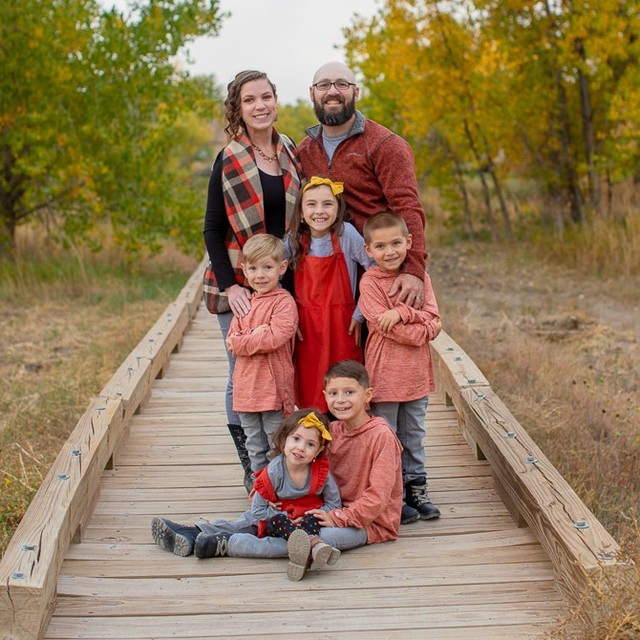
The Hickey family holding their baby, Charlotte, by a river surrounded by trees.

Families Who Have Shaped Our Mission

Each family has left a lasting impact on our mission and community

The Peterson Family

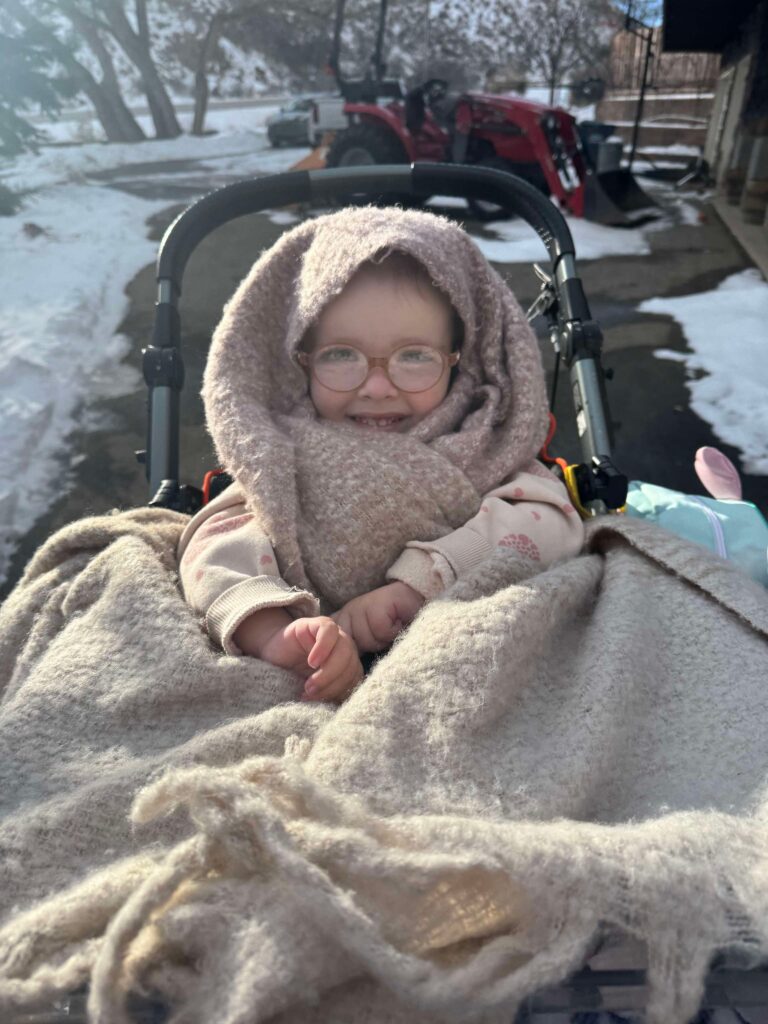
Lilly (3) was born without complications and when she was about five months old, they noticed she was unable to roll over, crawl, or sit up. They realized she was atypical and that she was going to need a lot of help before they even got a diagnosis.

When she was around nine months old, she was diagnosed with an extremely rare genetic disease called EXSOC-3 Pontocerebellar Hypoplasia. This disease made a big impact on her ability to swallow and being able to eat by mouth. They were forced to understand that she may never be able to move on her own.

For now, their goal is to keep her comfortable. They have no idea what her future looks like, but she continues to light up any room with her bright smile. She may never be able to walk or run, but her family knows that she is meant for bigger plans. 

As Lilly continues to grow things get more complicated so they are trying to find more accessible chairs, supports, and technology so that she can do all the things any 3 yr-old would want to do. Her parents are hoping to modify their home to accommodate her various needs by exploring options for an accessible bathroom and mechanical lifts. They also dream of one day taking her on a bike ride with a specialized bike trailer.

Fathers Fore Families
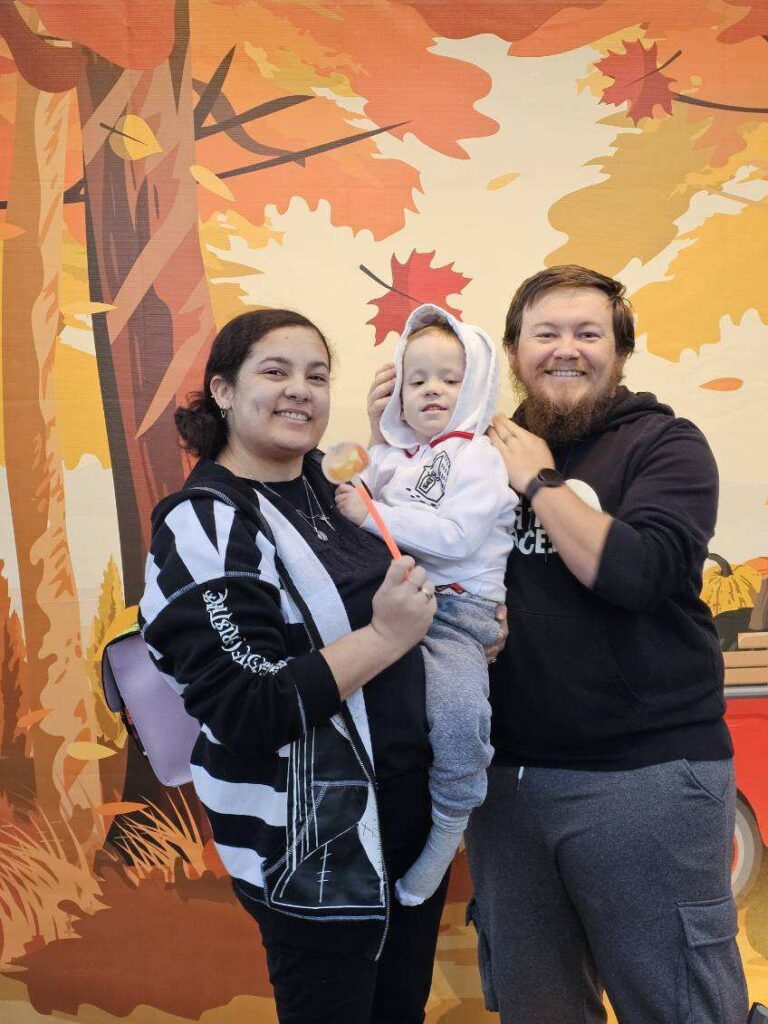
Forrest with his parents, smiling together in front of a fall-themed backdrop.

The Mackling Family

Franny Mackling is a single mother with two teenagers, Kole (15) and Kaylor (17). Kaylor was born with a very rare chromosome disorder called Duplication 15q Syndrome, which means she has a duplication of the #15 chromosome. She also has epilepsy and autism, making their daily lives very daunting. 

Kaylor’s body is physically the age of a normal 17 yr-old, but her brain and cognitive function is that of a 3 yr-old. She has a hard time communicating and transitioning from one task to another, cannot be left alone, has no understanding of danger. 

Last year Kaylor was hospitalized for a month due to failure to thrive. She stopped eating, losing 30Ibs in 3 months. She also stopped taking her seizure medication, causing her seizures to go out of control. Kaylor ended up getting a g-tube and regressed significant­ly in her AOL’s (activities of daily living). Franny ended up having to quit her job in order to take care of Kaylor. The increase in seizure medication has taken a huge toll on Kaylor’s body and they had to get an adaptive stroller to help her get around. Her medications have decreased the frequency of her seizures, but she continues to struggle with her every day life. 

Franny continues to prioritize her children and remains hopeful as they continue on their difficult journey.

The Fernandez Family

Leighton was life flighted on Christmas Eve when she was 6 weeks old due to acute renal failure. She spent 2 months in the ICU and was diagnosed with a rare genetic disease that results in complete kidney failure and often leads to Wilms Tumor.

Leighton was discharged from the ICU in March of 2021, with 27 medications, 3 shots a day, 12 hours of dialysis nightly, a feeding tube, and a broviac central venous catheter.

In the past year, the Fernandez family had to give up their small business in order to provide the 24n care that Leighton needed. Every day, she is given medications, dialysis, gastronomy tube feeding, blood draws, PT/OT/­Speech therapy, etc. It is hopeful that Leighton’s kidney will grow large enough for either Mom or Dada to donate their kidney.

Fathers Fore Families

The Pattinson Family

In 2012, Jeffrey was diagnosed at 6 months old with Rhabdomyosarcoma. After going through several months of chemo, they found that Jeffrey’s tumor was still present, but no longer cancerous. 

Unfortunately in 2021, scans revealed that Jeffrey’s tumor had grown and become cancerous again. Jeffrey’s family has now tried 3 different forms of chemo to attempt to reduce the tumor and kill the cancerous cells. They continue to be hopeful and look towards any course of action that could help.

How Can You Help?

There are several different ways to give back to the community.

icon

Volunteer

Register to volunteer at one of our events in the community here.

Read More
icon

Make Donation

Make a donation to help local Colorado families in need.

Read More
icon

Attend an Event

Register to play in one of our events to support a local family.

Read More